Beginner's Guide to Surfing: Everything You Need to Know
Ready to stop watching from the sand and actually start surfing? It might look challenging, but with the right guidance and gear, catching your first wave is totally achievable. This guide cuts through the confusion, giving you the essential knowledge-from picking the right beginner board to mastering the pop-up-so you can hit the water feeling confident, safe, and ready to ride. Get the foundations right now, and you'll be carving up the small stuff in no time.

TL;DR: Want to catch your first wave? Start with a soft-top longboard (more volume equals more stability). Essentials are a wetsuit, leash, and fins. The key is to paddle hard to match the wave's speed and master the pop-up on the beach first. Always respect surf etiquette. Check the surf report for small, gentle waves. Consistency is everything, and remember the best surf is when you have the most fun!

Built for surfers. Shop a surf-only marketplace
Find your next board faster. Browse with surf-specific filters, see what’s nearby on Map View, and connect with shops and locals in the surf community.


What You Need to Start Surfing
Ready to get in the water? You don't need a mountain of expensive gear, but getting a few essential items right will make your first sessions fun and safe. The goal is to focus on surfing and enjoy the process. We’ll cover the best beginner board and the must-have accessories for comfort and safety.
Choosing the Right Surfboard for Beginners
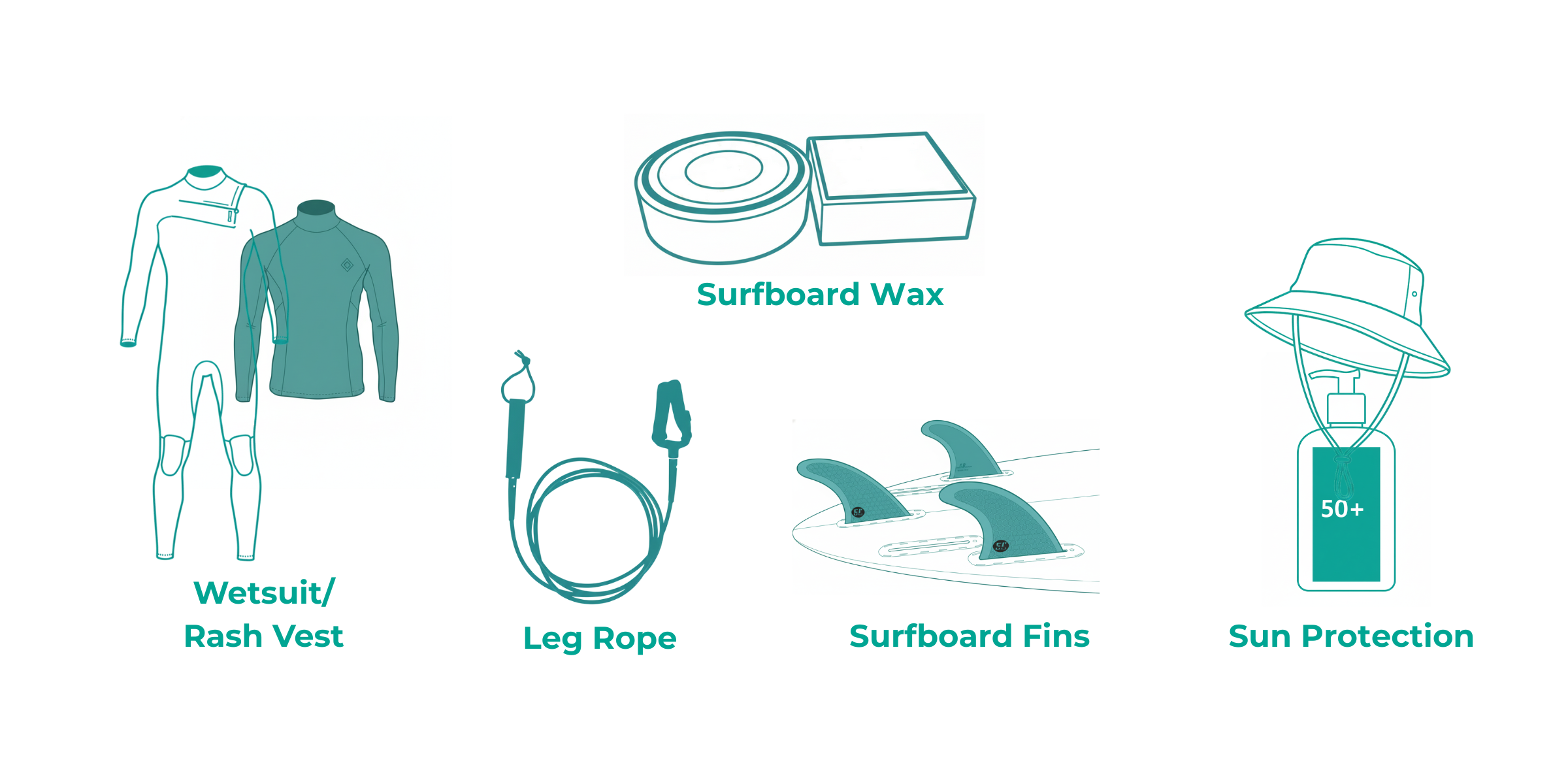
Forget the short, fibreglass boards the pros ride. They are not built for learning. As a beginner, you need stability and wave-catching power, which means you need volume (the boards buoyancy in the water).
The best boards for starting out are:
Soft-Top Surfboards (Foamies): The learning standard. They're stable, durable, and soft, which is safer when you wipe out.
Longboards (8 feet+): Whether soft-top or modern construction, longboards provide the length and width needed to generate speed, glide onto small waves easily, and maintain balance.
When choosing, remember this simple rule: Bigger is better.
Volume: High volume means more float, easier paddling, and increased stability.
Length: This refers to the measurement from the nose (tip) of the board to the tail. As a beginner, you want more length, so aim for a board that is at least 2-3 feet taller than you, or even longer (8 feet and up).
Stability: A wide, thick board is far more stable than a thin, narrow board.
Junkyard Surf Tip: Don't worry about looking cool. Everyone learns on a big board. Your first board is your secret weapon to learn fast.
Essential Surf Gear
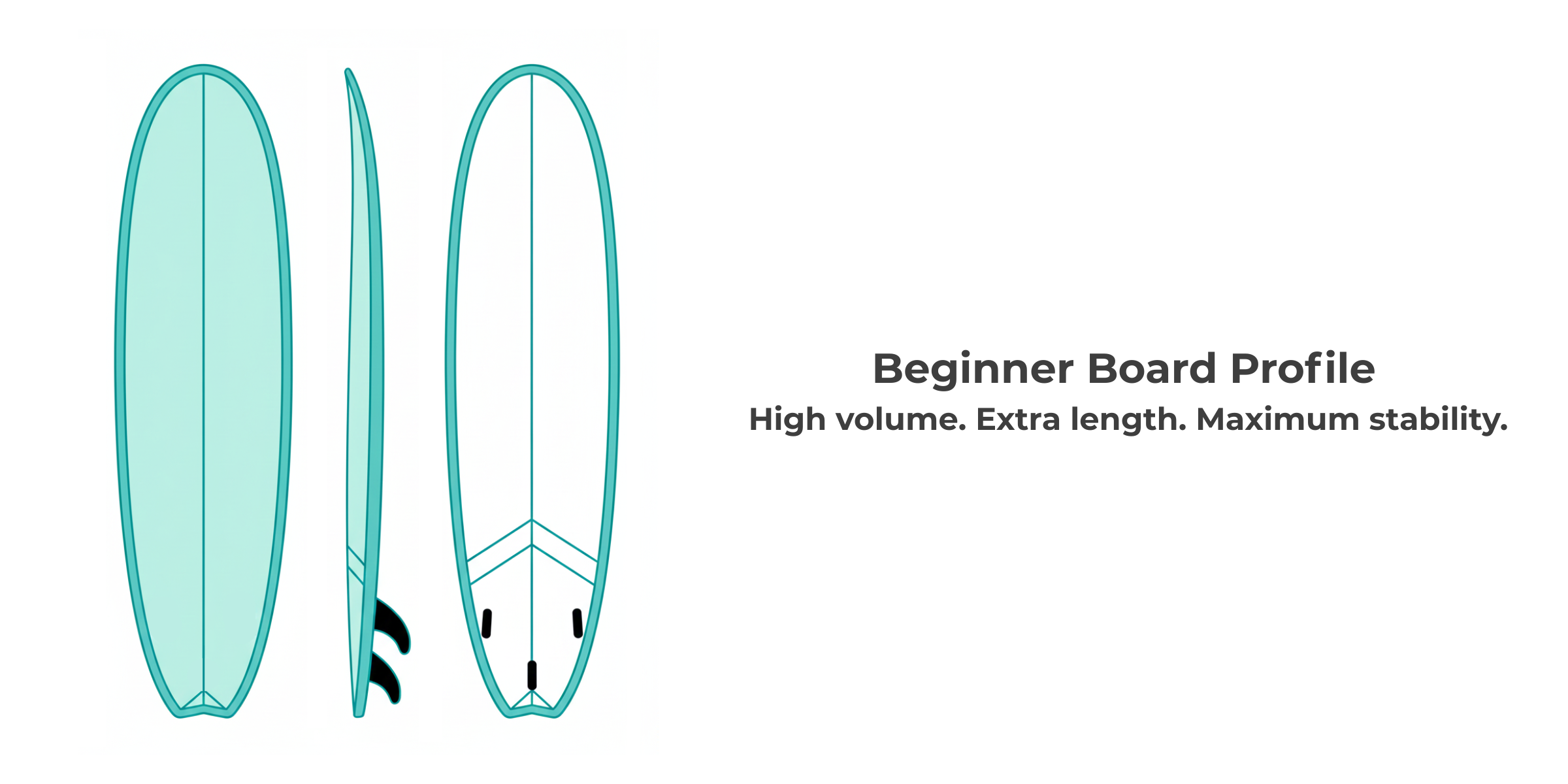
Once you’ve got your board sorted, these few items will make every surf more comfortable, safe, and fun:
Wetsuit/Rash Vest: Keeps you warm in colder water so you can surf longer, while also providing a protective layer against sun, wind, and board rash. Choose the right thickness (measured in millimetres) based on the local water temperature, or opt for a simple rash vest in tropical climates.
Leash: This essential piece of gear attaches the board to your ankle for safety; never surf without one. It acts as a stretchy, corded lifeline, keeping your board close by when you wipe out and preventing it from washing to shore or becoming a danger to others in the line-up.
Surfboard Fins: These are the small, curved, pointed pieces attached underneath the tail of your board, similar shape to a dolphin's fin. Surfboard fins are essential for control, acting like the rudder on a boat to allow you to turn and keep the board tracking straight on the wave face. Use soft, rubber fins (a thruster/3 fin setup is standard) on a foamie.
Wax: You must apply wax to the top deck of your board (where you stand) to ensure you have enough grip to stop your feet from slipping off when you pop up. Make sure to check the water temperature guide on the wax box to match the ocean temperature, using the wrong kind of wax will make it either too sticky or too slippery!
Sun Protection: A good surf hat and skin protection are must-haves under the Australian sun. Even on cloudy days, the combination of sun exposure and water reflection means you need a zinc-based cream or sunscreen with high UV protection applied regularly.
Surf Fitness
Surfing is a full-body workout. While you don't need to be an Olympian, a little preparation helps a lot. Improving your fitness directly translates to more waves caught and longer session times. Paddling strength (back and shoulder endurance) and core stability are key.
Pre-Surf Exercises: A few basic push-ups and burpees will fire up the muscles you need for the pop-up. Also, simply spending time swimming in the ocean will boost your confidence and water endurance.
Stretching: Focus on shoulder rotations and back stretches to loosen up before hitting the water. Getting flexible helps with your pop-up and overall balance.
How to Catch Your First Wave
This is the fun part. Surfing is a multi-step process. Learn to master each step on the sand first, then take it to the whitewash (broken waves) before heading out to bigger stuff.
Mastering the Paddle
Paddling is 90% of surfing. You need speed to catch a wave.
Body Positioning: Lie centred on your board, feet together. The nose (tip) of your board should be about 2-5 cm out of the water. Too far forward, you’ll nose dive. Too far back, you will limit how fast you can paddle.
Technique: Use long, deep, alternating strokes, keeping your fingers cupped. Paddle like you mean it! When you see a wave coming, paddle harder to match its speed.
How to stand up on a surfboard for beginners?
The "pop-up" is the quick move from lying down to standing. Practice this on the beach dozens of times until it's second nature.
Initial Drive: Start with your hands flat, in a push-up position near your ribs. Raise your chest with your arms slightly bent and immediately drive your back knee up to your chest area on the side.
The Transition: Use the space created by your arms and back knee to propel your front foot forward. Drive your hips and bring your front foot to land around the middle of the board, angled slightly forward. The goal is to stand up without stopping on your knees.
Stand and Balance: As you rise to your standing position, push off with your front foot and lift your hands up for momentum and balance. Your back foot should land over the fins, perpendicular to the stringer (centre line).
Final Stance: Stay low, knees bent, and look where you want to go-not at your feet!
Common Mistakes: Avoid stopping on your knees (you'll get stuck here), standing too far back on the board (will act as a brake and the wave will leave you behind), and standing too straight (which instantly causes a loss of balance).
How to turn on a surfboard for beginners?
Turning on a beginner board is more about shifting your weight and gaze than radical carving.
Look First: Turn your head and shoulders in the direction you want to go. Your body will follow.
Pressure: Gently put pressure on your toes to turn towards the wave (toe-side), or on your heels to turn away from it (heel-side).
Low Stance: Keep your knees bent. This keeps your centre of gravity low, making balancing while turning much easier.
Reading and Catching Waves
Learning to read the ocean is a lifetime skill, but beginners need to focus on two things: safety and size.
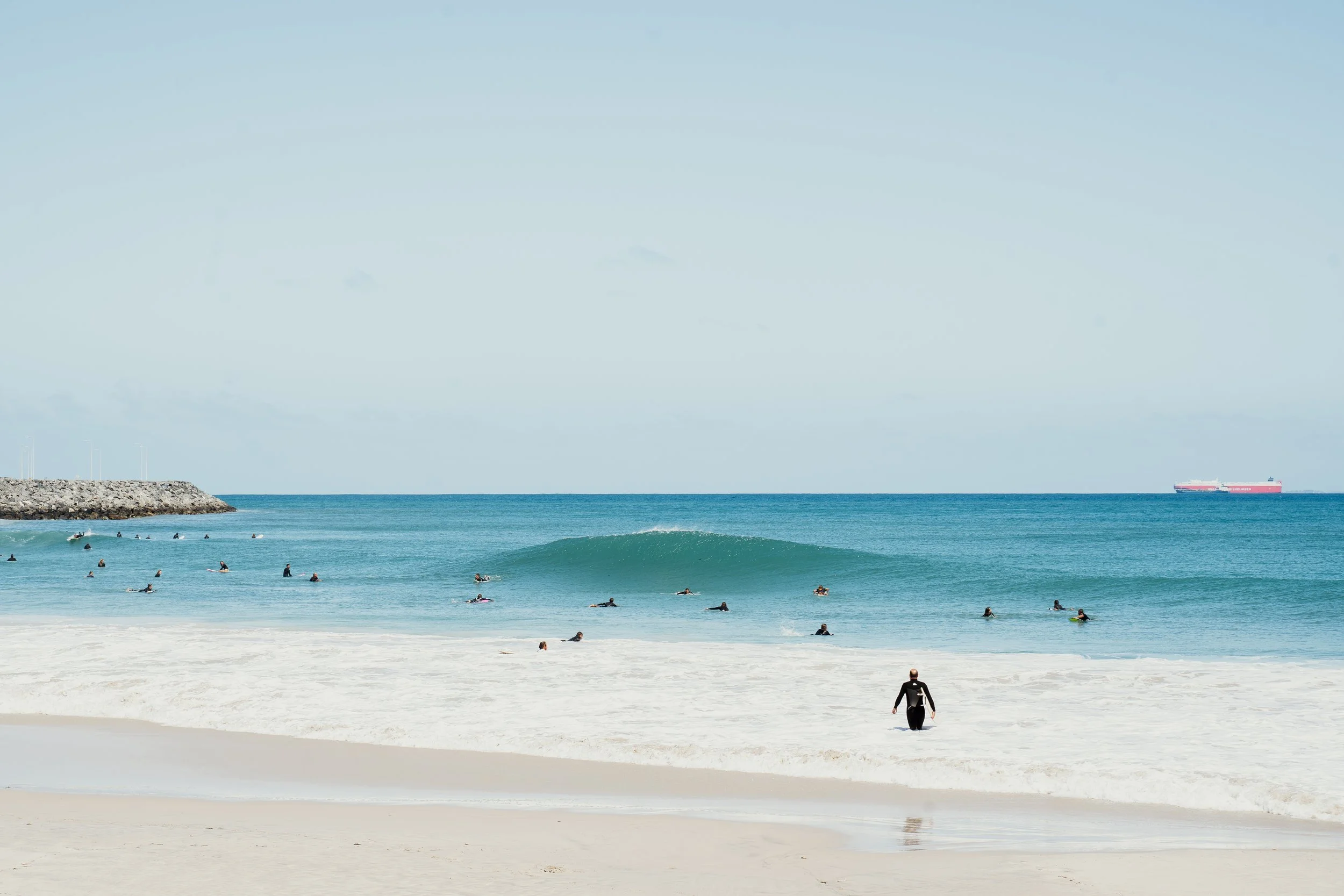
What are good surf conditions for beginners? Look for small waves (ankle to waist high) and minimal wind. A good beginner forecast has a low swell period (less than 10 seconds) and offshore or light cross-shore wind.
Selecting Waves: Start on the whitewash (the broken, foamy part of the wave) closest to shore. They are slow, safe, and push you straight in. Once comfortable, paddle slightly further out to catch the unbroken wave just as it starts to peak and break.
Different Breaks: Beginners should seek out beach breaks (sand bottom). They are generally safer and more forgiving than reef or point breaks.
Beach Breaks: These waves break directly over a sandy ocean floor. They are ideal for beginners because the soft bottom minimizes injury risk when falling, and the waves are typically more forgiving to learn on.
Reef Breaks: These break over coral or rock beds, producing powerful waves. Avoid these, as falling means hitting a hard, potentially sharp surface.
Point Breaks: These waves follow a rocky headland or point, often producing very long rides. However, the presence of rocks and strong currents along the coast could be dangerous for beginners.
Junkyard Surf Tip: If you're new to the ocean the best way to understand the mechanics of a wave is to go body surfing. Swim into a wave as if you were on a surfboard, keep your body straight and feel the moment the wave takes hold. This is the moment you should be completing your pop up.
What makes Junkyard Surf different

Categories
Buy and sell surfboards, wetsuits, fins, and accessories, every category surfers need.
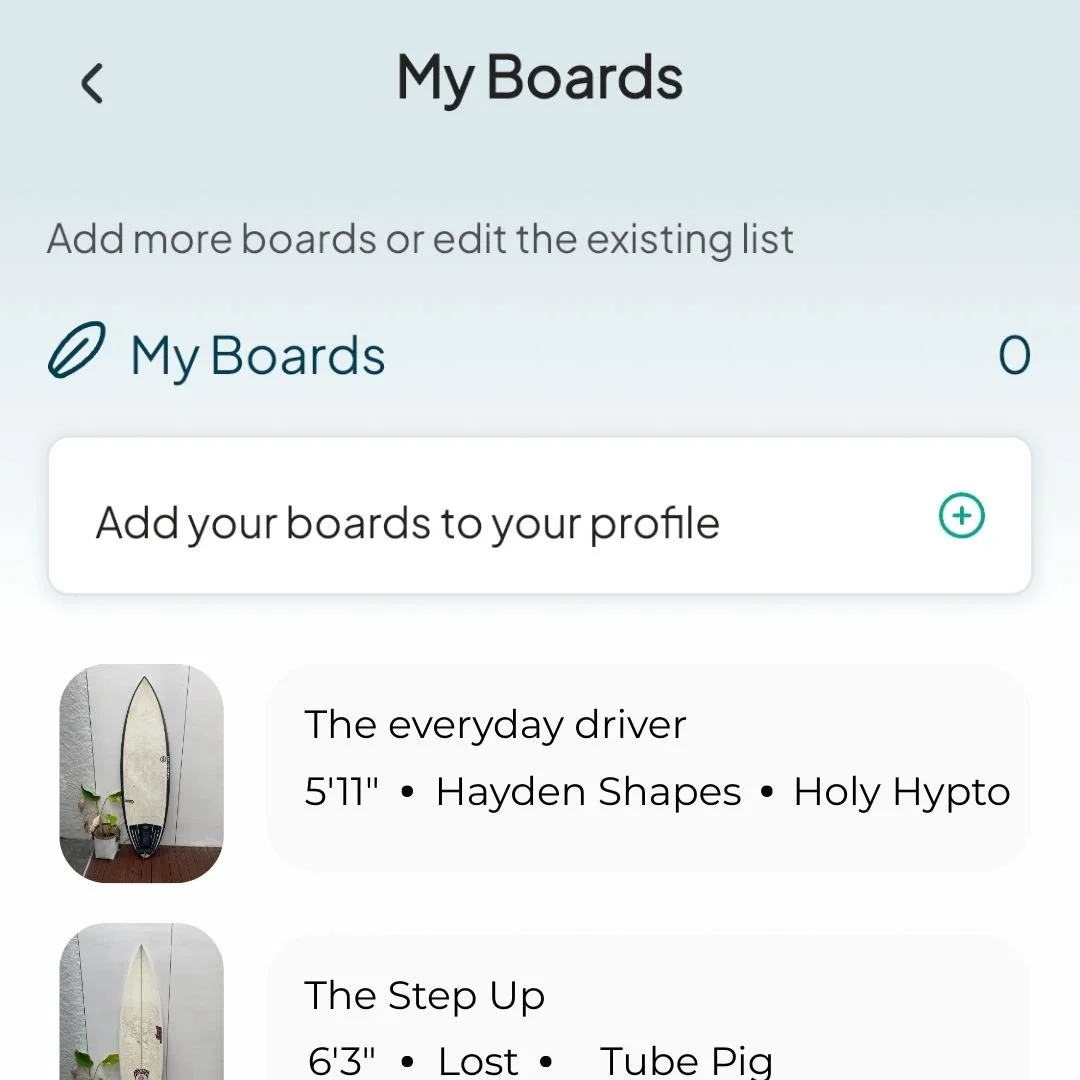
Show Off Your Quiver
Upload the boards you own. Share your collection and inspire other surfers.

Track Your Surf Journeys
Show the surf destinations you’ve ticked off and spark new conversations.
Understanding Surf Conditions
Understanding a surf report is like having the cheat codes for a good session. Conditions constantly change, so check the forecast before you go.
[Incorporate examples showing a good beginner forecast here, e.g., "Swell: 2ft, 8s. Wind: Light Offshore 5 knots."]
How to Read a Surf Report
Surf reports can be intimidating, but these three metrics are most important for beginners:
Wave Height: How tall the wave is. Stick to 1-3 feet (ankle to waist high).
Period (Seconds): The time between waves. Shorter periods (6-8 seconds) mean weaker, less organised waves-great for beginners. Longer periods (12+ seconds) mean powerful, fast waves.
Wind Speed/Direction: Offshore wind (blowing from the land to the sea) creates clean, smooth waves. Onshore wind (blowing from the sea to the land) creates messy, choppy conditions (avoid these).
Junkyard Surf Tip: For maximum safety at any spot, look for a high tide. High tide means deeper water over the break, which dampens the wave's power and provides more cushioning if you fall.
Best Beginner Beaches in Australia
Australia is the perfect playground for learning, offering thousands of miles of coastline. The key is to find spots that feature gentle waves, sandy bottoms, and consistent conditions. Look for patrolled beaches with easy access to amenities, as these often have the most forgiving breaks.
Surf Etiquette
The ocean is a shared space. Follow these simple rules to keep everyone safe and happy. Respect the line-up!
Surf Priority Rules: The surfer closest to the peak (where the wave is breaking first) has the right of way. Don't paddle out and take a wave someone else is already riding.
Don't Drop In: Never paddle into a wave someone is already up and riding on. This is the biggest etiquette mistake.
Paddle Wide: When paddling back out, stay wide of the main breaking area to avoid getting in the way of surfers riding waves.
Hold Your Board: If you wipe out, always hold onto your board so it doesn't become a projectile weapon.
Common Mistakes Beginners Make
Everyone makes these mistakes. Knowing them helps you fix them fast.
Paddling Too Late: You need speed! Start paddling early, even before the wave reaches you, and paddle hard to match its pace.
Looking Down at Your Feet: This throws your balance off instantly. Look towards the beach (where you want to go).
Using a Board That's Too Small: Trying to learn on a shortboard is frustrating. Stick to the high-volume foamie.
Stopping on Your Knees: Commit to the pop-up. Taking a knee means you lose precious time and momentum.
Not Checking the Conditions: Don't paddle out when it's huge, messy, or dangerous. Start small and safe.
Next Steps: Progressing as a Surfer
Once you're consistently catching whitewash and standing up 8 out of 10 times, you’re ready to level up!
Move Beyond the Whitewash: Start paddling out past the break to catch the unbroken waves.
Change Your Board: You might eventually feel held back by your soft-top. That's when you start looking at smaller, more manoeuvrable hardboards.
Intermediate Techniques: Focus on riding along the wave face (not just straight to the beach) and experimenting with small, controlled turns.
Conclusion
You've got the foundations. Now the real work and real fun begins. Surfing is a continuous process of learning, so focus on the experience. Embrace the wipeouts, shake off the failed attempts, and chase that feeling of finally nailing a ride.
Remember the key takeaways: Bigger is better for your first board, safety is your number one priority, paddle hard, be respectful to others in the lineup, and remember to have fun. By committing to these basics, you’re already on your way to becoming a competent surfer. Get out there, be safe, and enjoy the journey!
Download Junkyard Surf Today
Other marketplaces weren’t built for surfers. We are!
Junkyard Surf makes it easy to find the right board, connect with local shops and shapers, and keep boards in the water longer.